



Smart industrial infrastructure
Shapes play a fundamental role in architecture, influencing not only the visual identity of a development but also how spaces function, connect, and adapt to different needs. From simple geometric forms to more complex configurations, thoughtful design can improve the use of space, enhance movement, and create more efficient built environments.
In industrial development, the right combination of form and function is especially important. Flexible layouts and carefully planned structures allow industrial spaces to accommodate different activities, optimize operations, and adapt to future expansion. At BMH, design decisions are driven by practicality, efficiency, and long-term value, creating industrial environments that perform as effectively as they are designed.
Construction is the process of designing, planning, and building structures such as homes, offices, bridges, roads, and large-scale infrastructure projects. It involves a combination of engineering, architecture, and skilled labor to transform ideas into reality.
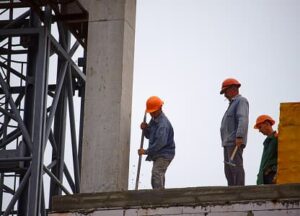
Structural engineering is a crucial branch of civil engineering that focuses on designing, analyzing, & constructing safe, durable, and efficient structures. It ensures that buildings, bridges, towers, and other infrastructures can withstand various forces such as gravity, wind, earthquakes, and environmental conditions.
Structural engineers bridge the gap between architectural vision and real-world feasibility. They play a vital role in urban development, disaster resilience, and infrastructure longevity,
Comments are closed